Close Alert Banner
Close Old Browser Notification
Browser Compatibility Notification
It appears you are trying to access this site using an outdated browser. As a result, parts of the site may not function properly for you. We recommend updating your browser to its most recent version at your earliest convenience.
Skip to Content
Region of Durham Logo
Contact Us
Engage
  • Living Here
    • 211 – Connect with local community services
    • 311 – Connecting you to our services
    • A to Z Services
    • Accessibility
    • Age-Friendly Durham
    • Animal Services and Control
    • Child Care and Early Years
    • Climate Change and Energy
    • Conservation Authorities
    • Counselling
    • Crime Prevention and Public Safety
    • Durham Employment Services
    • Education and Schools
    • Emergency Preparedness
    • Emergency Services
    • Emergency Social Services
    • Garbage and Recycling
    • Housing and Homelessness
    • Libraries
    • View More...
    View our Garbage and Recycling page

    Garbage and Recycling

    View our My Property page

    My Property

    View our Roads and Traffic page

    Roads and Traffic

  • Discovering Durham
    • About Durham Region
    • Arts and Culture
    • Bike Month
    • Cycling and Walking
    • E-mobility
    • Local Food and Farmers' Markets
    • Maps
    • New to Durham Region
    • Parks, Trails and Conservation Areas
    • Spectator Sports
    • Sport Tourism
    • Sports and Recreation
    • Tourism
    • Tourism Festival and Events Calendar
    • Transportation and Transit
    View our Tourism page

    Tourism

    View our Tourism Festival and Events calendar

    Tourism Festival and Events Calendar

    View our Transportation and Transit page

    Transportation and Transit

  • Doing Business
    • Applications, Licences and Permits
    • As-Built Drawing Request
    • Bid Opportunities
    • Business Directory
    • Business Count
    • Community Social Investment Program
    • Construction and Your Business
    • Construction Liens
    • Design and Construction Specifications
    • Economic Development
    • Events
    • Funding Resources
    • Garbage and Recycling Collection on Private Property
    • Housing
    • Municipal Consent
    • Operating a Child Care Program
    • Planning and Development
    • Public Health and Your Business
    • Purchasing
    View our Agriculture page

    Agriculture

    View our Business Directory page

    Business Directory

    View our Purchasing page

    Purchasing

  • Health and Wellness
    • Alcohol, Cannabis, Opioids, Tobacco and Vaping
    • Babies and Toddlers
    • Child Health and School-Age Children
    • Clinics and Classes Calendar
    • COVID-19
    • Domestic Violence
    • Dental and Oral Health
    • Environment and Your Health
    • Food and Eating
    • Health Care Professionals
    • Health Check-Up! Reports and Health Plans
    • Health Information Services
    • Healthy Living
    • Illness, Infection and Disease
    • Immunizations and Vaccines
    • Injury Prevention and Safety
    • Mental Health
    • Pregnancy
    • Public Health Inspections and Investigations
    • View More...
    View our Health Care Professionals page

    Health Care Professionals

    Launch the Durham Region Respiratory Virus Data Tracker

    Respiratory Virus Data Tracker

    Report Immunizations Online

    Report Immunizations Online

  • Regional Government
    • A to Z Services
    • Access to Information
    • Accountability and Transparency
    • Anti-Hate Initiatives
    • Budget and Financial
    • By-Laws
    • Careers and Volunteering
    • CityStudio Durham
    • Community Engagement
    • Community Safety and Well-Being Plan
    • Contact Us
    • Court and Traffic Tickets (Provincial Offences)
    • Departments
    • Diversity, Equity and Inclusion
    • Durham Region 101
    • Durham Region Strategic Plan
    • Durham Works
    • Innovation
    • Local Municipalities
    • View More...
    View our Council page

    Council

    View our Open Data page

    Open Data

    View our Regional Services map

    Regional Services

I'd Like To...

Apply or Register For

  • Applications, Licences and Permits
  • Bidding Opportunities
  • Careers and Volunteering
  • Freedom of Information Request
  • Housing

Learn About

  • A to Z Services
  • Being New to Durham Region
  • Budget
  • By-Laws
  • Council
  • Durham Region Transit
  • Public Health Inspections

Report an Issue

  • By-Law Infraction
  • Downed Sign
  • Health Protection Complaint
  • Illegal Dumping
  • Missed Garbage or Recycling Pickup
View our X Page View our Facebook Page View our YouTube Page view our LinkedIn page
Mental Health

Mental Health

HomeHealth and WellnessMental Health
Decrease text size Default text size Increase text size
Print this page
Share this page
  • Facebook
  • LinkedIn
  • Twitter
  • Email
  • Mental Health
    • Connection
    • Counselling
    • Crisis and Suicide Prevention
    • Perinatal Mood Disorders
  • Alcohol, Cannabis, Opioids, Tobacco and Vaping
    • Alcohol
    • Cannabis
    • Opioids and Overdose Prevention
      • Durham Opioid Response Plan
      • Durham Region Opioid Information System
    • Safe Needle Disposal
    • Tobacco and Vaping
  • Babies and Toddlers
    • Baby's First Year
    • Feeding Your Baby the First Six Months
    • Healthy Babies Healthy Children Home Visiting Program
    • Infant & Child Development Program
    • Infant Sleep and Sleep Habits
    • Online Breastfeeding and Newborn Classes
    • Parenting Your Child and Positive Parenting
    • Perinatal Mood Disorders
      • Steps to Wellness Before and After Baby
  • Child Health and School-Age Children
    • Bullying
    • Car Seat Safety and Booster Seats
    • Child Care and Early Learning
    • Child Development
    • Child Immunization and School Clinics
    • Feeding Young Children
    • School Health
  • Clinics and Classes Calendar
  • COVID-19
    • COVID-19 Vaccines
    • Health Care Professionals
    • Institutional Outbreaks
    • Respiratory Virus Activity in Durham Region
  • Domestic Violence
  • Dental and Oral Health
    • Brushing and Flossing
    • Fluoride
    • Oral Cancer
    • School Screening Dental Clinics
    • Snacking
  • Environment and Your Health
    • Air Quality
    • Beaches
    • Climate Change and Health
    • Cold Weather
    • Extreme Heat and Humidity
    • Flooding
    • Harmful Plants
    • Nuclear Awareness
    • Private Wells
    • Sewage and Septic Systems
    • Source Water Protection
    • Sun Safety and Tanning
  • Food and Eating
    • During Pregnancy
    • Feeding Babies and Young Children
    • Food Insecurity
    • Food Safety
    • Healthy Eating
    • Planning for Pregnancy
    • Shopping and Cooking
  • Health Care Professionals
  • Health Check-Up! Reports and Health Plans
    • 2024 Health Check-Up!
    • 2023 Health Check-Up!
    • 2025 Health Plan
    • 2024 Health Plan
  • Health Information Services
    • Durham Health Stats
    • Health Care
    • Health Neighbourhoods
    • Information Practices / Client Safety / Customer Service Standards
    • Public Access to Defibrillators
  • Healthy Living
    • Healthy Aging
    • Healthy Built Environment
    • Healthy Eating
    • Food Insecurity
    • Infection Prevention
    • Low Cost and Subsidized Recreation Programs
    • Mental Health
    • Physical Activity, Sedentary Time and Sleep
    • Sun Safety and Tanning
  • Illness, Infection and Disease
    • Avian Influenza
    • COVID-19
    • Facts About...
    • Food Poisoning
    • Infection Control in Institutions
    • Infection Prevention
    • Influenza (Flu)
    • Insects, Rodents and Bites
    • Measles
    • Meningitis
    • Mpox
    • Rabies
    • Respiratory Syncytial Virus (RSV)
    • Tick-Borne Diseases
    • Tuberculosis (TB)
    • West Nile Virus
  • Immunizations and Vaccines
    • Child Immunization and School Clinics
    • Getting to Know Vaccines
    • Influenza (Flu)
    • Report Immunizations Online
    • Respiratory Syncytial Virus (RSV)
  • Injury Prevention and Safety
    • Bike Safety
    • Car Seat Safety and Booster Seats
    • Child Safety
    • Healthy Aging
    • Playgrounds
    • Preventing Concussions
    • Road and Traffic Safety
    • Safe Needle Disposal
  • Pregnancy
    • Infections in Pregnancy
    • Online Prenatal Classes
    • Perinatal Mood Disorders
    • Planning for Pregnancy
    • Pregnancy Options
    • Prenatal, Breastfeeding, and Parenting Services
  • Public Health Inspections and Investigations
    • Beaches
    • Check&GO! Durham
    • Food Safety
    • Infection Prevention and Control (IPAC) Lapse Reports
    • International Agricultural Worker Housing Inspections
    • Operating a Child Care Program
    • Playgrounds
    • Rabies
    • Recreational Water
    • Salons and Spas
    • Sewage and Septic Systems
    • Small Drinking Water Systems
    • Smoking, Vaping and Retailer Convictions
    • Submit an Enquiry or Complaint
    • Tattoos and Piercings
    • Your Business and Public Health
  • School Health
    • Bullying
    • Educators and Curriculum Resources
  • Sexual Health and Clinics
    • Clinic Appointments and Services
    • Birth Control
    • Pregnancy Options
    • Resources
    • Sexually Transmitted Infections (STIs)
    • Supporting 2SLGBTQI+ Health

Mental health is just as important as your physical health and overall well-being. It’s about how you think, feel, and act.

Did you know? Five out of five people have mental health, that means everybody. It is important to take care of your mental health just as you take care of your physical health. Good mental health helps you get the most out of life, and helps you cope with life's stresses and reach your goals. We can all improve our mental health.

For crisis and suicide prevention services - seek immediate help

Call 211 - Explore mental health services in Durham Region

Check in on your mental health

Learn more about mental health stats in Durham Region

Talk, learn and thrive

At Durham, we want to encourage our community to talk, learn, and thrive when it comes to mental health. By having open conversations, sharing knowledge, and supporting one another, we can help foster a culture where mental well-being is prioritized at every stage of life. When it comes to building positive mental health, talking about how we feel helps increase our understanding, feel less alone, and grow as people.

Learn ways to take care of your mental health

Check in with yourself
Help care for yourself
Connect with community
Reach out for support
Learn about stigma
Learn about stigma
Words Hurt
Why words matter

Talking about our mental health is a sign of strength. Learning about ways to build positive mental health is a step in the right direction, and putting what we’ve learned into action is a way in which we can continue thriving everyday.

It is common to feel sad, isolated, worried, or angry at times, but if these feelings occur frequently and become overwhelming, it may be time for extra help. You may experience shifts in your sleep patterns, appetite, or focus. Recognizing that you need support is a powerful and courageous step in taking control of your well-being.

There are many ways to learn more information, resources and services available that can guide your journey to healing. Getting help is a sign of your strength and resilience!


Difference between mental health and mental illness
Ways to build resiliency within ourselves and others
Stress can be normal, necessary and even helpful
Got two minutes? Try this calming activity 

Parents/caregivers of children and teens

Children and Young TeensFor children and young teens, part of being mentally healthy is being able to bounce back from challenges and learn from them. You play an important role in helping your child learn to deal with life’s stresses.

The teenage years are a time when many physical, emotional, and social changes are occurring. Teens often experience a range of emotions, as do parents.

You play a vital role in helping your teen handle life’s ups and downs in positive ways.

Tips to support child and teens mental health
  • Build trust by having routines, setting limits and explaining your expectations.
  • Build their self-esteem. Accept your child for who they are.
  • Help them find solutions to their problems.
  • Encourage them to see things from another person's point of view.
  • Give them opportunities to practice patience.
  • Let them play and exercise. Being physical active is a great stress reliever. 
  • Ensure your child gets enough sleep. Children need about 9 to 11 hours of sleep, and teens need 8 to 10 hours of sleep daily. Visit our Physical Activity, Sedentary Time and Sleep page to learn more.
  • Let them experience loss with your support.
  • Teach them about their feelings and good ways to deal with them.
  • Prepare them for changes. For teens, teach them new life skills and let them practice things like doing laundry or cooking.
  • Stay positive and show warmth, it's important to continue to show (through your actions) love and warmth to your child.
  • Provide choices.
  • 98 Ways to Say "Very Good"
  • Talk to your teen about drugs and alcohol and how using them can affect their physical and mental health.
  • Talk to your teen about healthy ways to cope with stress such as using deep breathing, practicing yoga, or developing a plan to cope with their problems.
  • Listen. Listening is the most important part of communicating with your teen. Encourage them to share their feelings and try to be understanding. Using statements like "I see" or "Tell me more about" shows active listening, validating, and can see things from their perspective. 

Resources for parents/caregivers of children - how can I learn more?

  • Noticing Mental Health Concerns for your child | Signs and Symptoms
  • Building connection and resiliency in kids
  • Positive Parenting and early childhood development resources
  • Find an activity to do together | Faces Activity
  • Kids Can resource
  • Learn how to support children through grief after any kind of loss
  • Social Media – what parents should know | Advice for screen time
  • Understanding Child and Youth Mental Health
  • School Mental Health Ontario | By Your Side Toolkit
  • Explore PREVnet for resources related to bullying. Contact your local school or school board to learn about bullying policies, programs and interventions.
Resources for parents/caregivers of teens - how can I learn more?
  • Teens Can Be Resilient – A Parent’s Guide
  • Teens Can Be Resilient | Video
  • Teens Can Be Resilient…in High School – A Parent’s Guide
  • Jack.org
  • Talking to Teens about Mental Health | Brochure
  • School Mental Health Ontario | By Your Side Toolkit
  • Child and Youth Mental Health
  • Social Media – what parents should know | Advice for screen time
  • Learn about substance use risks and impact on health
  • Explore PREVnet for resources related to bullying. Contact your local school or school board to learn about bullying policies, programs and interventions.
  • How to talk with your teen
  • Tips for Building Healthy Relationships with Your Teenagers | CAMH
Services for children and teens
  • Durham Counselling Walk-in Clinic - This is a free, confidential, counselling clinic, providing service for children and youth 3 to 19 years. Call: 289-509-0603, extension 3203.
  • Central Intake by Kinark Child and Family Services - Central Intake provides supports to children, youth and families who may be struggling with a mental health issue (in collaboration with community partners). Call: 1-888-454-6275.
  • Children, Youth & Family Health & Wellness - Durham Community Health Centre  - Explore various programs and services for children, youth and family wellness.
  • Here and Now: Counselling support - Individual counselling supports families and youth in Durham, ages 12+. Call: 1-888-721-0622.
  • Durham Mental Health Services - Offers a wide range of services and providing supports to individuals and families over the age of 16. Call: 905-666-0831.
  • Kids Help Phone - 24/7 e-mental health service offering free, multilingual and confidential support via phone, text or chat to children and youth. Call: 1-800-668-6868.
  • One Stop Talk - A free, confidential service that lets kids and youth get immediate mental health support with a registered therapist. Call: 1-855-416-8255 (TALK).
  • BounceBack Ontario - A free skill-building program to help adults and youth (age 15+) manage mental health concerns and support you to mental wellness. Call: 1-866-345-0224.
  • Connex Ontario - Navigate 24/7 free and confidential health services and information for people experiencing problems with alcohol, drugs, addictions, mental illness or gambling in Ontario. Call: 1-866-531-2600.
  • 211 Ontario - 211 is a helpline that easily connects people to the social and health services, programs and community supports. Call 2-1-1.

Youth and young adults

Young AdultsMental health is a cornerstone of overall well-being, especially during youth, a time of rapid growth, change, and self-discovery. For example, there might be transitions like going to college, university, or leaving home, significant life events, being a new immigrant, identity exploration or forming relationships with peers.

Supporting your mental health as a young person is essential for building resiliency, forming healthy relationships, and to be able navigate life's challenges with confidence are lifelong skills. When you feel mentally well, you can thrive academically, socially, and emotionally. Prioritizing mental health not only reduces the risk of long-term issues but also empowers young individuals, like yourself, to reach full potential and lead fulfilling lives.

Tips to support youth and young adult mental health
  • Establish a routine. Eat healthy and move your body regularly.
  • Think about coping and what has worked for you in the past to feel better. Explore self-care activities like, walks, reading, exercise, gardening, volunteering and connecting with loved ones who can support you.
  • Know your supports and people you can trust. You can reach out to family, friends, neighbours, spiritual leaders, teachers, or coaches. You can also reach out to school/campus health counsellors or your family doctor.
  • Recognize your own strength and resourcefulness to increase self-confidence and ability to problem-solve. Set realistic goals on what you can do and take steps towards achieving them.
  • Practice mindfulness and self-awareness. Give yourself time to reflect on each day.
Getting help

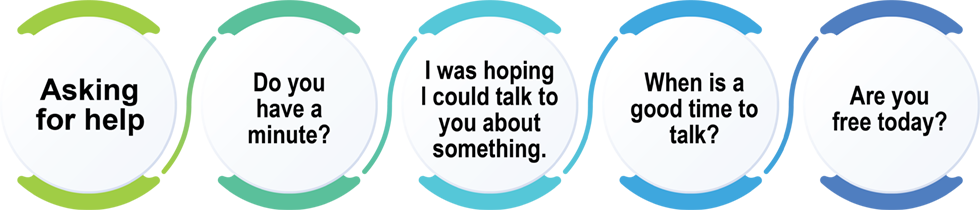
It’s not always easy to ask for help, or to talk about how you feel. Here are some ways to get the conversation started:

Getting Help


Helping others - what can you say to start the conversation

If you’re worried about someone, say something! You don’t have to be afraid of saying the wrong thing. Be thoughtful of the time and place to make it easier to have a private discussion. Avoid giving advice, they just need you to be present and open.

Helping Others


Resources - How can I learn more about my mental health?
  • Mental health tips for young people
  • Youth Wellness Hubs Ontario resources
  • myToolKit – Interactive resource to educate young people about mental health
  • Centre for Innovation Campus Mental Health
  • Child and Youth Mental Health
  • Learn more about resources to prevent substance use and risk of harm
  • Jack.org
  • Learn about mental health for youth at risk | Game Changers Mental Health Resources
  • Screen use for young people | Social Media and Youth
Services for youth and young adults
  • Ontario Structured Psychotherapy Program | Ontario Shores Centre for Mental Health Sciences - Offers therapy services and practical approaches to manage mental conditions (depression and anxiety-related) for clients 18+. Call: 1-877-767-9642.
  • Central Intake by Kinark Child, Youth and Family Services - Central Intake provides supports to children, youth and families who may be struggling with a mental health issue in collaboration with community partners. Call: 1-888-454-6275.
  • WeConnect Mental Health and Wellness - Community mental health service for people aged 16+ and older (from emotional support, connection and education) to help individuals care for their mental well-being. Call: 1-888-255-6680.
  • Mental Health and Addictions Central Connect - Offers a range of services to patients to support mental health and addictions journey through various programs based on need in Durham. Call: 905-440-7534.
  • Durham Counselling Walk-in Clinic - This is a free, confidential, counselling clinic, providing service for children and youth 3 to 19 years. Call: 289-509-0603, extension 3203
  • Durham Community Health Centre – Mental Health Counselling - Brief counselling services to help individuals with mild to moderate mental health concerns and no referrals from doctor needed. Call: 1-877-227-3217.
  • PFLAG – Durham Region - Supporting all persons in their journey through gender identity, gender expression and sexual orientation. Call: 1-888-530-6777 ext. 533.
  • Canadian Mental Health Association Durham - Wide variety of mental health, addiction, and housing services. Call: (905) 436-8760.
  • Durham Mental Health Services - Offers a wide range of services and providing supports to individuals and families over the age of 16+. Call: 905-666-0831.
  • Here and Now: Counselling support - Individual counselling supports youth and adults in Durham, ages 12+. Call: 1-888-721-0622.
  • Hope for Wellness - A 24/7 helpline available to all Indigenous people across Canada. Call: 1-855-242-3310.
  • One Stop Talk - A free, confidential service that lets kids and youth (under 18) get immediate mental health support with a registered therapist. Call: 1-855-416-8255 (TALK).
  • Connex Ontario - Navigate 24/7 free and confidential health services and information for people experiencing problems with alcohol, drugs, addictions, mental illness or gambling in Ontario. Call: 1-866-531-2600.
  • BounceBack Ontario - A free skill-building program to help adults and youth manage mental health concerns and support you to mental wellness, ages 15+. Call: 1-866-345-0224.
  • Kids Help Phone - 24/7 e-mental health service offering free, multilingual and confidential support via phone, text or chat to children and youth. Call: 1-800-668-6868.
  • Good2Talk - A confidential 24/7 helpline for post-secondary students aged 17 to 25, available in multiple languages. Students can use to get information and referrals about services. Call: 1-866-925-5454.
  • 211 Ontario - 211 is a helpline that easily connects people to the social and health services, programs and community supports. Call: 2-1-1.

Adult mental health

Adult Son and Elderly FatherThere is no health without mental health - good mental health helps you get the most out of life, and helps you cope with life’s stresses and reach your goals.

Adult mental health can be affected during times of change or challenges, such as, finishing college, becoming a new parent, retirement, death of a loved one or getting divorced.

Good mental health plays a role in building healthy relationships, prevent chronic disease, injury, and substance use.

Tips to support adult mental health
  • Eat a healthy diet.
  • Be active. Being physically well is important to overall mental health.
  • Get good quality sleep on regular basis with consistent sleep and wake times provides mental health benefits. 
  • Make plans to meet up with a friend and spending time with people you enjoy
  • Participate in cultural events in and around your community.
  • Set realistic goals and take steps towards achieving them. Look for opportunities to grow and learn from difficult experiences and identifying the positives.
  • Leave a kind message for someone else to find. Let someone know how much you appreciate them and why.
  • Practice gratitude. At the end of the day, write down what you are grateful for or something that made you feel good today.
  • Explore ways to manage stress such as, try a new recipe, write a poem or a letter to someone, paint, or listen to music that lifts you up.
  • Recognize your own strength and resourcefulness to increase self-confidence and ability to problem-solve. Set realistic goals and take steps towards achieving them.
  • Establish work-life balance and boundaries. Ask for help and offer help at work. Take breaks, build downtime in your schedule (e.g., take a walk, do a breathing exercise, make some tea, nutritious meal). Check-in with your organization’s policies on creating healthy work-life balance.
  • Practice mindfulness. Mindfulness is a practice of focusing your attention on one thing. To learn more about connection to self and mindfulness visit durham.ca/connection.
  • Practice self-care and paying attention to your needs and feelings. 
Resources - How can I learn more about my mental health?
  • Mental Health is for Everyone booklet
  • Mental Health Toolkit 
  • Mental Health Basics
  • Learn about ways to prevent substance use and risk of harm
  • Learn more about workplace health and wellness, tools and resources | CAMH and Mental Health Commission of Canada
Resources (55+) - How can I learn more about my mental health?
  • Learn about mental health and healthy aging for adults 55+ in Durham Region                        
  • Guide to Community Resources for Seniors and Older Adults
  • Canadian Coalition for Seniors' Mental Health
  • Multilingual resources: Mental health and well-being in later life
Services for adults
  • Ontario Structured Psychotherapy Program | Ontario Shores Centre for Mental Health Sciences - Offers therapy services and practical approaches to manage mental conditions (depression and anxiety-related). Call: 1-877-767-9642.
  • Durham Community Health Centre – Mental Health Counselling - Brief counselling sessions to help individuals with mild to moderate mental health concerns and no referrals from doctor needed. Call: 1-877-227-3217.
  • WeConnect Mental Health and Wellness - Community mental health service (on emotional support, connection and education) to help individuals care for their mental well-being. Call: 1-888-255-6680.
  • Canadian Mental Health Association Durham - Wide variety of mental health, addiction, and housing services. Call: 905-436-8760.
  • Durham Mental Health Services - Offers a wide range of services and providing supports to individuals and families over the age of 16. Call: 905-666-0831.
  • PFLAG – Durham Region - Supporting all persons in their journey through gender identity, gender expression and sexual orientation. Call: 1-888-530-6777 ext. 533.
  • Family Service Counselling - Provides individual, couple and family counselling and psychotherapy to people who live, work or own property in Durham Region. Call: 1-888-721-0622.
  • BounceBack Ontario - A free skill-building program to help adults and youth manage mental health concerns and support you to mental wellness. Call: 1-866-345-0224.
  • Hope for Wellness - A 24/7 helpline available to all Indigenous people across Canada. Call: 1-855-242-3310.
  • Connex Ontario - Navigate 24/7 free and confidential health services and information for people experiencing problems with alcohol, drugs, addictions, mental illness or gambling in Ontario. Call: 1-866-531-2600.
  • 211 Ontario - 211 is a helpline that easily connects people to the social and health services, programs and community supports. Call 2-1-1.

Explore other services provided in the region.

Diverse communities

Durham is home to a population rich in diversity and culture. If you are looking for a community to connect with or to find mental health information in different languages, there are a variety of resources and supports available for communities across the region and surrounding area.

  • Diversity, equity and inclusion
  • Find mental health support
  • 211 Ontario
  • Information in other languages

Information for schools

You can find information about mental health in schools on our Educators and Curriculum Resources page.

Receive email updates

Contact Us

Region of Durham logo

Living HereDiscovering DurhamDoing BusinessHealth and WellnessRegional Government

© 2026 Durham Region, 605 Rossland Road East, Whitby, Ontario L1N 6A3, Canada, Telephone (within regional limits): 311, Telephone: 905-668-7711, Toll-Free: 1-800-372-1102

HomeTerms of UsePrivacyCareersA to Z ServicesContact UsSitemap
By GHD Digital