


Regional Road Maintenance


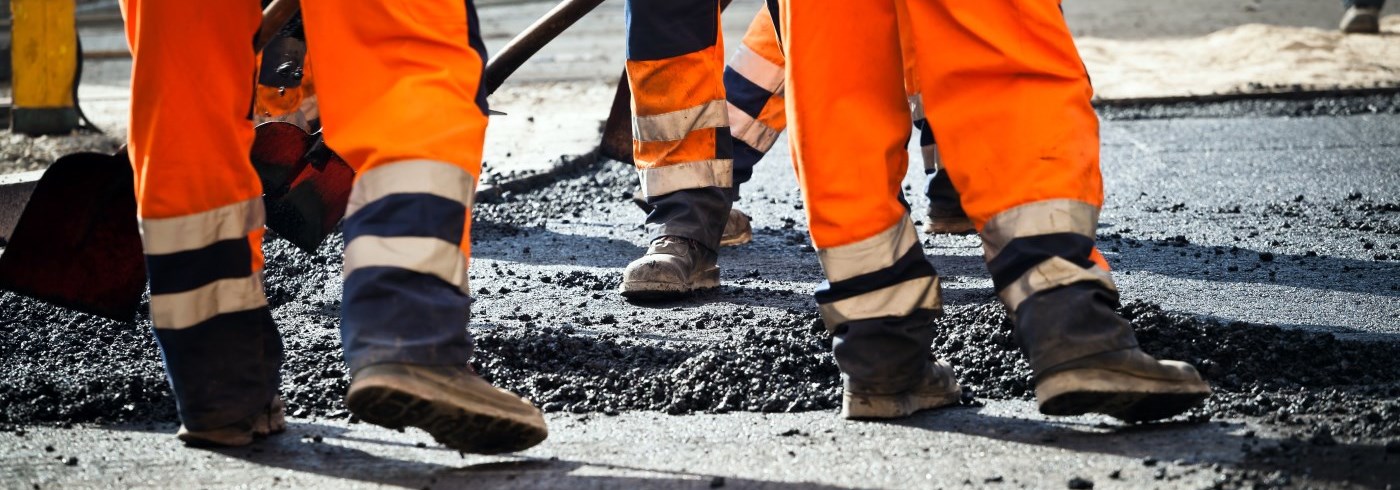
The Province of Ontario, Durham Region, or the local area municipality may maintain roads in Durham Region. The Region of Durham maintains Regional roads all year round.
Declaration of a Significant Weather Event
| Significant Weather Event Policy |
|
The Region of Durham takes care of all Regional roads to ensure they are accessible for public use. If maintenance standards cannot be met, because of weather hazards, we rely on the Significant Weather Event Policy. When the Region declares a Significant Weather Event, regular maintenance operations may be impacted on Regional roadways and on-road bicycle lanes in the affected area. The Region will notify the public to avoid unnecessary travel and use caution on Regional roads and bicycle lanes. The Significant Weather Event will remain in place until it’s safe for our crews to bring the roads and on-road bicycle lanes back up to our standards. This policy applies to weather hazards, as determined by Environment Canada, that have the potential to pose a significant danger to users of Regionally maintained roads and on-road bicycle lanes. Please visit the Environment Canada website to view criteria for public weather alerts. The Region has developed a Standard Operating Procedure to allow for a declaration of a Significant Weather Event under Ontario Regulation 239/02, Minimum Maintenance Standards for Municipal Highways under the Municipal Act, 2001, as amended. The procedure will be in place until the end of the event has been declared and the infrastructure has been addressed and/or treated per the minimum standards set out in O.Reg. 239/02. |
| Notifications to public |
|
Notification of the Significant Weather Event will be communicated to the public through social media and an emergency banner will be placed on the homepage of the Region’s website at durham.ca. Information will also be posted on the website at durham.ca/ServiceDisruptions |
| Definitions |
|
Definitions under Regulation – O.Reg. 239/02, Minimum Maintenance Standards for Municipal Highways under the Municipal Act, 2001: Significant weather event – an approaching or occurring weather hazard with the potential to pose a significant danger to users of the highways within a municipality. Weather hazard – the weather hazards determined by Environment Canada as meeting the criteria for the issuance of an alert under its Public Weather Alerting Program. |
Summer road maintenance
|
Pothole repairs |
|
Old pavement, traffic and weather all help form potholes. Maintenance staff are always looking for potholes. They make repairs on an ongoing basis. Have you seen a concerning pothole? Report an issue and we'll take appropriate action. |
|
Shoulder grading and washout repairs |
|
The Region grades shoulders along rural roadsides where there are no curbs and storm sewers. This makes roads safer by insuring a smooth transition from the paved edge. It also supports the pavement. Grading makes the pavement last longer. Heavy rainfall can create washouts that damage the shoulder. The Region patrols roads regularly to find and repair washouts. |
|
Bridge maintenance |
|
Regional bridges receive annual maintenance. Bridge maintenance includes flushing with water to remove debris, clearing drains and repairing loose concrete that may be in barrier walls and sidewalks. |
|
Roadside vegetation control |
|
In urban areas, the Region's contracted teams cut boulevard grass. The Region only cuts rear lot and side yard boulevards. In rural areas, longer grass nextension to the shoulder is cut. This is typically done twice a season. |
|
Driveway entrances |
|
The Region maintains driveway culverts along Regional roads. You will need to obtain an entrance permit, if you require a culvert for a new residential entrance or a curb cut for an entrance in the urban area. |
|
Summer road patrol |
|
Works department staff regularly patrol all regional roads. Road patrollers look out for hazards. |
|
Adopt-a-Road program |
|
The Region’s Adopt-a-Road program allows volunteers to adopt a section of a Regional Road to help keep our roadways clean. Participating volunteers help by picking up litter along the sides of the road. People who are interested in volunteering to host or participate in a clean-up session should connect with the Region by calling 311 (within regional limits) or 1-800-372-1102 (toll-free). Safety guidelines for volunteers We’ve created an Adopt-a-Road Safety guidelines for volunteers brochure to help ensure safety is a priority for any clean-up sessions. The brochure contains the following information: Think safety first There are a few simple rules to remember for safely working along the roadside. These rules must be reviewed by all volunteers before each clean-up session with your group representative. For your safety
Volunteers must:
Volunteers must not:
In case of emergency Call 911 in life-threatening situations; when there is immediate danger to life or property; or when a crime is in progress. Be emergency ready
For more information, contact: Telephone (within regional limits): 311 Toll-Free: 1-800-372-1102 |
Winter road maintenance
|
Winter road patrol |
|
During the winter, Regional roads are patrolled seven days a week. Winter road crews are equipped to trigger winter maintenance equipment to deal with changing weather conditions. |
|
Snow plowing and salting |
|
The Region deploys trucks with plows and salters in response to snow and freezing rain. Calibrated spinners precisely control how much salt is released. Have you seen a winter maintenance concern on a Regional road? Report an issue and we will take appropriate action. |
|
Anti-icing |
|
You may notice trucks spraying a solution of salt and water (brine) on roads and bridges when there is no winter storm. This is called anti-icing. The Region sprays before winter weather and when frost or black ice is likely to form on pavement. Anti-icing prevents black ice and frost formation on roads and bridges. It also prevents snow and ice from bonding to the pavement. This enhances safety during winter weather. |
|
Snow removal |
|
When there is too little room for snow storage after plowing, such as in some downtown areas, snow is loaded into trucks and moved to designated areas. |
|
Winter salt management plan |
|
The use of anti-icing solution (salt brine) and road salt is essential to maintaining roadway safety during the winter control season. A salt management plan is in place in the Region of Durham. The plan serves to ensure that the Region continuously improves the management of road salt used in its winter maintenance operations. The Region strives to reduce the amount of salt released to the environment through effective salt management practices while ensuring that road safety remains a top priority. |
Contact Us